All about Bushtits + how birds store food for winter ͏ ͏ ͏ ͏ ͏ ͏ ͏ ͏ ͏ ͏ ͏ ͏ ͏ ͏ ͏ ͏ ͏ ͏ ͏ ͏ ͏ ͏ ͏ ͏ ͏ ͏ ͏ ͏ ͏ ͏ ͏ ͏ ͏ ͏ ͏ ͏ ͏ ͏ ͏ ͏ ͏ ͏ ͏ ͏ ͏ ͏ ͏ ͏ ͏ ͏ ͏ ͏ ͏ ͏ ͏ ͏ ͏ ͏ ͏ ͏ ͏ ͏ ͏ ͏ ͏ ͏ ͏ ͏ ͏ ͏ ͏ ͏ ͏ ͏ ͏ ͏ ͏ ͏ ͏ ͏ ͏ ͏ ͏ ͏ ͏ ͏ ͏ ͏ ͏ ͏ ͏ ͏ ͏ ͏ ͏ ͏ ͏ ͏ ͏ ͏ ͏ ͏ ͏ ͏ ͏ ͏ ͏ ͏ ͏ ͏ ͏ ͏ ͏ ͏ ͏ ͏ ͏ ͏ ͏ ͏ ͏ ͏ ͏ ͏ ͏ ͏ ͏ ͏ ͏ ͏ ͏ ͏ ͏ ͏ ͏ ͏ ͏ ͏ ͏ ͏ ͏ ͏ ͏ ͏ ͏ ͏ ͏ ͏ ͏ ͏ ͏ ͏ ͏ ͏ ͏ ͏ ͏ ͏ ͏ ͏ ͏ ͏ ͏ ͏ ͏ ͏ ͏ ͏ ͏ ͏ ͏ ͏ ͏ ͏ ͏ ͏ ͏ ͏ ͏ ͏ ͏ ͏ ͏ ͏ ͏ ͏ ͏ ͏ ͏ ͏ ͏ ͏ ͏ ͏ ͏ ͏ ͏ ͏ ͏ ͏ ͏ ͏ ͏ ͏ ͏ ͏ ͏ ͏ ͏ ͏ ͏ ͏ ͏ ͏ ͏ ͏ ͏ ͏ ͏ ͏ ͏ ͏ ͏ ͏ ͏ ͏ ͏ ͏ ͏ ͏ ͏ ͏ ͏ ͏ ͏ ͏ ͏ ͏ ͏ ͏ ͏ ͏ ͏ ͏ ͏ ͏ ͏ ͏ ͏ ͏ ͏ ͏ ͏ ͏ ͏

View in Browser

Project Phoenix

November 13, 2025


Dear Project Phoenix community,

There are just over two weeks left until the end of data collection this year! As we enter the tail end of migration, you may notice fewer birds in your neighborhoods, especially if you live further north. It may feel frustrating to report fewer birds during your weekly surveys, but these low-count surveys still provide critical data for our project that helps us understand species distributions and abundances.

Did you know that winter is actually peak season for waterfowl? If you miss seeing your feathered friends in the parks and streets around your home, we encourage you to go out to your local ponds, lakes, marshes, and other habitats where waterfowl hang out! Let us know what you see. :)

Happy birding!

Yuka Wu | Communications Lead, Project Phoenix


BIRD OF THE WEEK:

Bushtit

The Bushtit, a tiny gray and brown bird, is a common songbird that spans the western United States and Mexico. It is the only member of its family (Aegithalidae) that resides in North America – the rest of the Aegithalidae family, consisting of seven other species, are found across Eurasia. These social birds are found in flocks of between 10 and 40 birds, typically in open woodlands, chaparral, and suburbs. Birders often joke that for every Bushit you see, there are five more hidden from view! Their diet consists of small insects and spiders, but some Bushtits have also been observed eating willow seeds and olives! Fun identification tip: you can tell the sexes apart by their eye color. Male Bushtits have dark eyes (like the one in the photo), while female Bushtits have pale irises.

Bushtits use spiderwebs and plant fibers to construct soft, elaborate, hanging nests. This process can take up to a month to complete! The nest is camouflaged with feathers, fur, and other soft pieces of plants. Unlike most other bird species, breeding pairs of Bushtits are often assisted in raising their nestlings by other adult birds. This behavior is made even more unusual by the fact that the majority of these helpers are adult males. Additionally, unlike most other songbirds where only one adult stays on the nest when sleeping, the entire Bushtit family bundles up together in the nest during the breeding season. So cute!


FEATURE STORY:

What is food caching?

Food caching is a behavior exhibited by many animals, including several species of birds, that involves hiding and storing foods for later use. Notable food-caching birds include corvids (jays, nutcrackers, ravens), chickadees, nuthatches, woodpeckers, and even owls! For some species, such as Mountain and Black-capped Chickadees, caching food in the late summer and fall is necessary for survival during winter months. These species rely on excellent spatial and episodic memory, which is reflected by large hippocampi and the ability to cache and retrieve thousands of food items during the year. Black-capped Chickadees actually increase the size of their hippocampi during parts of the year to enhance their caching superpowers!

Many food-caching birds remember other birds’ caches on top of their own, and because of this, food-storers must be careful that others do not know where their caches are in order to prevent them from being stolen. In several studies with scrub jays, it was observed that the birds would hide their food as far away as they could from observers, and used barriers that blocked other birds’ view when possible. Additionally, it was found that birds were able to track the different rates at which different foods perished, and used this knowledge to decide which caches to recover first.

Some species, like the Chestnut-backed Chickadee cache for shorter periods of time, and often save a snack for later in the day or the next morning.

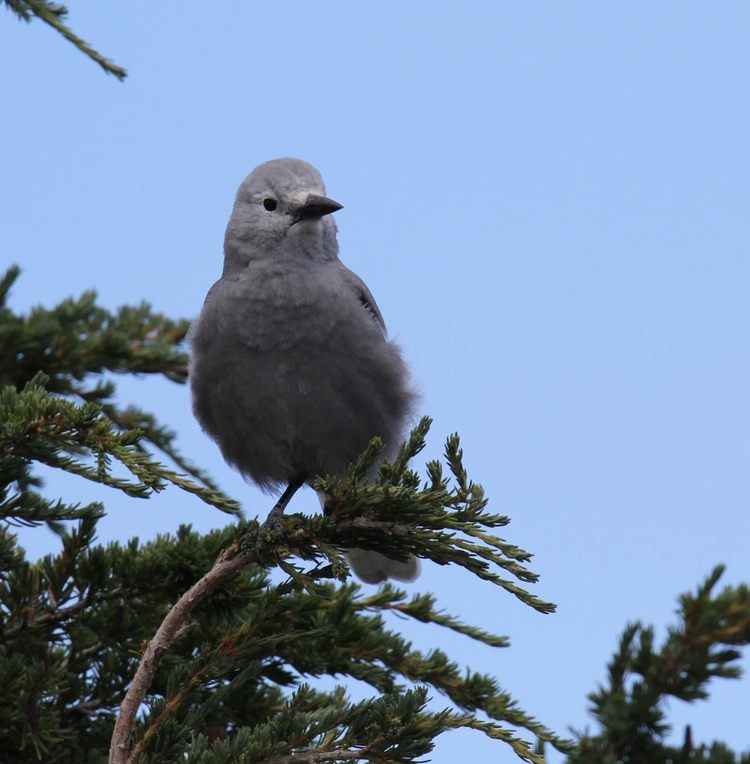
However, birds’ memories are not perfect, and this forgetfulness provides for a key ecological function – seed dispersal and forest propagation. Clark’s Nutcrackers cache tens of thousands of seeds each season, and those that are forgotten become the next generation of pine trees. For trees such as the whitebark pine, the birds’ forgetfulness is a necessary driver of their reproduction. Learn more about Clark’s Nutcrackers’ role in forests here!


Thank you to all our partners and supporting organizations!

Project Phoenix is grateful to our partners and all the supporting organizations who helped our program take flight. Check out our Partners page to learn more about the incredible work of these non-profit organizations – from science to conservation to outdoor recreation, these orgs are dedicated to protecting our environment for people and the birds we love.


Follow us on Instagram @projectphoenix_socal for more content on birds and Project Phoenix!

 
Project Phoenix
email tiktok instagram youtube

La Kretz Hall (Suite 300), 619 Charles E. Young Drive E., Los Angeles, CA, 90095

Powered by Squarespace

Unsubscribe