|
Data collection begins this week for Project Phoenix! ͏ ͏ ͏ ͏ ͏ ͏ ͏ ͏ ͏ ͏ ͏ ͏ ͏ ͏ ͏ ͏ ͏ ͏ ͏ ͏ ͏ ͏ ͏ ͏ ͏ ͏ ͏ ͏ ͏ ͏ ͏ ͏ ͏ ͏ ͏ ͏ ͏ ͏ ͏ ͏ ͏ ͏ ͏ ͏ ͏ ͏ ͏ ͏ ͏ ͏ ͏ ͏ ͏ ͏ ͏ ͏ ͏ ͏ ͏ ͏ ͏ ͏ ͏ ͏ ͏ ͏ ͏ ͏ ͏ ͏ ͏ ͏ ͏ ͏ ͏ ͏ ͏ ͏ ͏ ͏ ͏ ͏ ͏ ͏ ͏ ͏ ͏ ͏ ͏ ͏ ͏ ͏ ͏ ͏ ͏ ͏ ͏ ͏ ͏ ͏ ͏ ͏ ͏ ͏ ͏ ͏ ͏ ͏ ͏ ͏ ͏ ͏ ͏ ͏ ͏ ͏ ͏ ͏ ͏ ͏ ͏ ͏ ͏ ͏ ͏ ͏ ͏ ͏ ͏ ͏ ͏ ͏ ͏ ͏ ͏ ͏ ͏ ͏ ͏ ͏ ͏ ͏ ͏ ͏ ͏ ͏ ͏ ͏ ͏ ͏ ͏ ͏ ͏ ͏ ͏ ͏ ͏ ͏ ͏ ͏ ͏ ͏ ͏ ͏ ͏ ͏ ͏ ͏ ͏ ͏ ͏ ͏ ͏ ͏ ͏ ͏ ͏ ͏ ͏ ͏ ͏ ͏ ͏ ͏ ͏ ͏ ͏ ͏ ͏ ͏ ͏ ͏ ͏ ͏ ͏ ͏ ͏ ͏ ͏ ͏ ͏ ͏ ͏ ͏ ͏ ͏ ͏ ͏ ͏ ͏ ͏ ͏ ͏ ͏ ͏ ͏ ͏ ͏ ͏ ͏ ͏ ͏ ͏ ͏ ͏ ͏ ͏ ͏ ͏ ͏ ͏ ͏ ͏ ͏ ͏ ͏ ͏ ͏ ͏ ͏ ͏ ͏ ͏ ͏ ͏ ͏ ͏ ͏ ͏ ͏ ͏ ͏ ͏ ͏ ͏
|
Hello! My name is Caitlin O’Neil and I am the Communications Lead here at Project Phoenix. This role grants me the amazing opportunity to get to connect with so many of our volunteers and partners. The community that has grown to support Project Phoenix is one that I am constantly amazed by! The time and energy that all of you put into this project is what allows it to flourish. Through Project Phoenix, I have met the most brilliant, kind, creative, and passionate people who are all dedicated to appreciating and protecting the nature around us. I am so grateful to have had the opportunity to meet so many of you, and I would love to meet more of you! Whether it’s by joining us at our events, sharing your story for our volunteer spotlight, joining us during our virtual office hours, tagging us on Instagram, or sending us an email, there are so many ways to connect with our team. Let us know what you love about Project Phoenix, or what we can do to improve, or just to say hi - we’re always happy to hear from you!
|
|
Caitlin O’Neil | Communications Lead, Project Phoenix
|
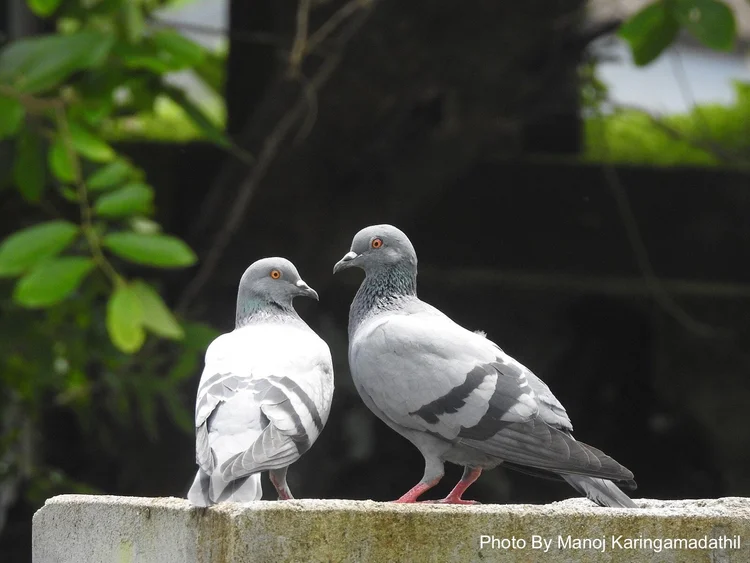
BIRD OF THE WEEK: Rock Pigeon
|
|
by Caitlin O’Neil | Communications Lead, Project Phoenix
|
|
The Rock Pigeon, also known as the Rock Dove, is considered by many to be a pest or nuisance, “rats with wings” that overcrowd city streets and skylines. But these spectacular gray birds were not always pushed to the curb – they were originally domesticated by humans over 5,000 years ago! Rock pigeons were likely domesticated due to their incredible ability to return home from faraway locations. This ability was harnessed to create “pigeon posts” all across the globe. The Romans, Genghis Khan, and soldiers in World War I and World War II used pigeon posts to deliver mail across their vast empires. Today, Rock Pigeons can be found all across North and South America and in parts of Europe, Asia, and Africa! Their ability to thrive in urban environments has granted them their expansive range. Pigeons have adapted to urban life by making nests in overhangs, stairwells, and rain gutters, which mimic the nooks and crannies of cliffs they nest in the wild. Both male and female Rock Pigeons incubate their eggs and feed their young.
|
VOLUNTEER SPOTLIGHT: What is this?
|
|
Our Volunteer Spotlight is dedicated to celebrating all the wonderful volunteers who make Project Phoenix possible! We’d love to share your story. Consider telling us more about your journey to Project Phoenix by filling out the form at the bottom of our volunteers page. We encourage our volunteers to let us know why they’re excited about Project Phoenix, but we’re keen on learning more about you, too! Here are some questions to think about: When did you first become interested in birding? What is your favorite place to explore, or just be outside? Do you have a favorite bird (or more than one)? Tell us about a memorable birding experience. What are you hoping to learn from participating in Project Phoenix?
We’d also love to celebrate your nature photography, artwork, writing, and other creative endeavors. Feel free to send us examples of your art and photos of your birding adventures to projectphoenix.socal@gmail.com. We hope to hear from you soon!
|
|
Project Phoenix team members and volunteers were recently featured in High Country News! Find the article by Kylie Mohr here.
|
FROM THE FIELD: Exploring White Point Nature Preserve
|
|
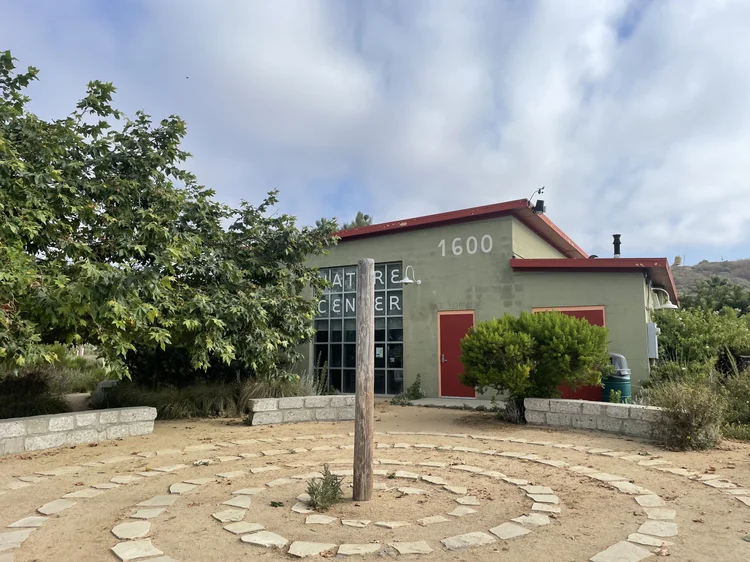
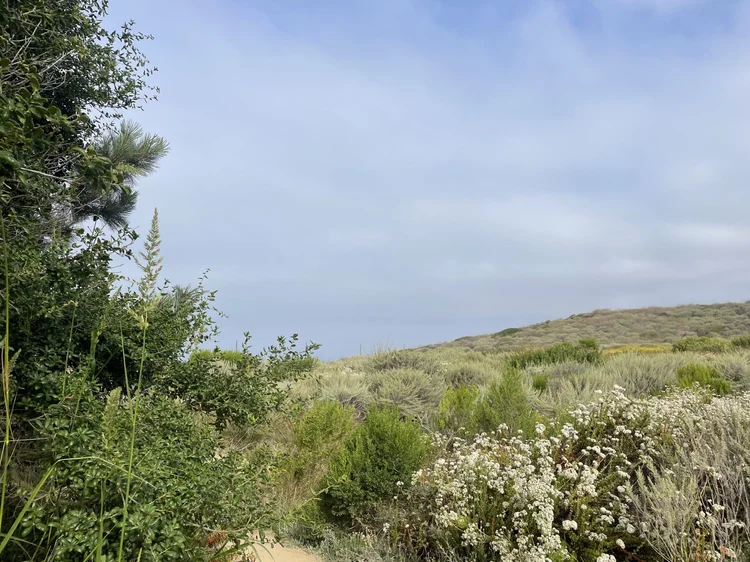
Last Saturday, Project Phoenix staff and volunteers joined the Palos Verdes Peninsula Land Conservancy at the White Point Nature Education Center for a morning bird walk around the preserve. The work that PVPLC has done at the preserve has transformed it into a haven for the wildlife native to Palos Verdes, including the Palos Verdes blue butterfly. The gardens surrounding the nature center were a flurry of animal activity. Birds darted between trees and bushes, butterflies hovered from flower to flower, and desert cottontail rabbits and squirrels ran all along the paths. During our walk, we saw 18 species of birds, including the endangered California Gnatcatcher, whose decline has been linked to the loss of California coastal sage scrub. We also got to witness a courting pair of Red-tailed Hawks soaring together in wide circles and briefly clasping talons. For more photos from the event and of the species we saw, check out our events page!
|
|
|
A pair of California Gnatcatchers, photographed by PVPLC Board Member and Project Phoenix volunteer, Randy Harwood. |
|
|
|
Binocular practice! PVPLC and Project Phoenix members pause to identify the birds in the nature center gardens. |
|
|
|
The preserve’s dense coastal scrub habitat that supports a vibrant array of wildlife. |
|
Would you like to plan an event with Project Phoenix? Are you interested in meeting with members of our team?We’d love to get together. Connect with our team to share your ideas!
|
FEATURE STORY: How Wildfire Smoke Impacts Birds
|
|
By Caitlin O’Neil and Olivia Sanderfoot| Communications Lead and Program Director, Project Phoenix
|
|
The goal of Project Phoenix is to learn more about the impacts of wildfire smoke on West Coast birds. But, what do we already know about the effects of smoke on birds? Unfortunately, very few studies have explored bird responses to smoke. In fact, our team is aware of just 8 studies that have even considered impacts of smoke on the health and behavior of birds (although we have several more in the works!) However, a comprehensive review of existing literature suggests that, just like people, birds experience negative health outcomes from smoke exposure. Birds are actually even more vulnerable to smoke than we are due to the design of their respiratory system. Avian respiration is highly efficient, increasing the availability of oxygen to power flight. Unfortunately, this also makes birds more susceptible to harmful pollutants in the air. Exposure to gases and particulates found in wildfire smoke can result in both short- and long-term health consequences for birds, including respiratory distress, illness, stress, and immunosuppression. There is much more to learn about how birds respond to smoke. Do birds change their behavior when it’s smoky? Are they able to adjust their behaviors to mitigate exposure to harmful air pollution? How does smoke influence species distributions? Which birds are most at risk? How can we protect them? We are so grateful for volunteers like you who are making it possible to collect valuable observations of birds all across the West Coast during the year’s fire season. The data collected by community scientists like you will help us identify the places and resources birds use during and after extreme smoke. We will share this information with decision makers in our state to inform wildlife conservation policy. Together, we can safeguard birds through ever-smokier summers.
|
Thank you to all our partners and supporting organizations!
|
|
Project Phoenix is grateful to our partners and all the supporting organizations who help our program soar. Visit our partners page to learn more about the incredible work of these non-profit organizations – from science to conservation to outdoor recreation, these orgs are dedicated to protecting our environment for people and the birds we love.
|
|
|
|