October Big Day Recap, Cedar Waxwings, and Making Windows Safer for Birds ͏ ͏ ͏ ͏ ͏ ͏ ͏ ͏ ͏ ͏ ͏ ͏ ͏ ͏ ͏ ͏ ͏ ͏ ͏ ͏ ͏ ͏ ͏ ͏ ͏ ͏ ͏ ͏ ͏ ͏ ͏ ͏ ͏ ͏ ͏ ͏ ͏ ͏ ͏ ͏ ͏ ͏ ͏ ͏ ͏ ͏ ͏ ͏ ͏ ͏ ͏ ͏ ͏ ͏ ͏ ͏ ͏ ͏ ͏ ͏ ͏ ͏ ͏ ͏ ͏ ͏ ͏ ͏ ͏ ͏ ͏ ͏ ͏ ͏ ͏ ͏ ͏ ͏ ͏ ͏ ͏ ͏ ͏ ͏ ͏ ͏ ͏ ͏ ͏ ͏ ͏ ͏ ͏ ͏ ͏ ͏ ͏ ͏ ͏ ͏ ͏ ͏ ͏ ͏ ͏ ͏ ͏ ͏ ͏ ͏ ͏ ͏ ͏ ͏ ͏ ͏ ͏ ͏ ͏ ͏ ͏ ͏ ͏ ͏ ͏ ͏ ͏ ͏ ͏ ͏ ͏ ͏ ͏ ͏ ͏ ͏ ͏ ͏ ͏ ͏ ͏ ͏ ͏ ͏ ͏ ͏ ͏ ͏ ͏ ͏ ͏ ͏ ͏ ͏ ͏ ͏ ͏ ͏ ͏ ͏ ͏ ͏ ͏ ͏ ͏ ͏ ͏ ͏ ͏ ͏ ͏ ͏ ͏ ͏ ͏ ͏ ͏ ͏ ͏ ͏ ͏ ͏ ͏ ͏ ͏ ͏ ͏ ͏ ͏ ͏ ͏ ͏ ͏ ͏ ͏ ͏ ͏ ͏ ͏ ͏ ͏ ͏ ͏ ͏ ͏ ͏ ͏ ͏ ͏ ͏ ͏ ͏ ͏ ͏ ͏ ͏ ͏ ͏ ͏ ͏ ͏ ͏ ͏ ͏ ͏ ͏ ͏ ͏ ͏ ͏ ͏ ͏ ͏ ͏ ͏ ͏ ͏ ͏ ͏ ͏ ͏ ͏ ͏ ͏ ͏ ͏ ͏ ͏ ͏ ͏ ͏ ͏ ͏ ͏ ͏

View in Browser

Project Phoenix

October 23, 2025


Dear Project Phoenix community,

We hope you are having a great week so far and that you are continuing to enjoy your surveys. We have just over five weeks left of data collection, so let’s make these last five surveys count!

For October Big Day and Global Bird Weekend, the Project Phoenix community has collectively observed an incredible 143 bird species and 4,413 individual birds across California, Washington, and Oregon. Check out our trip report to see the full list of birds!

Happy Birding!

Yuka Wu | Communications Lead, Project Phoenix


BIRD OF THE WEEK:

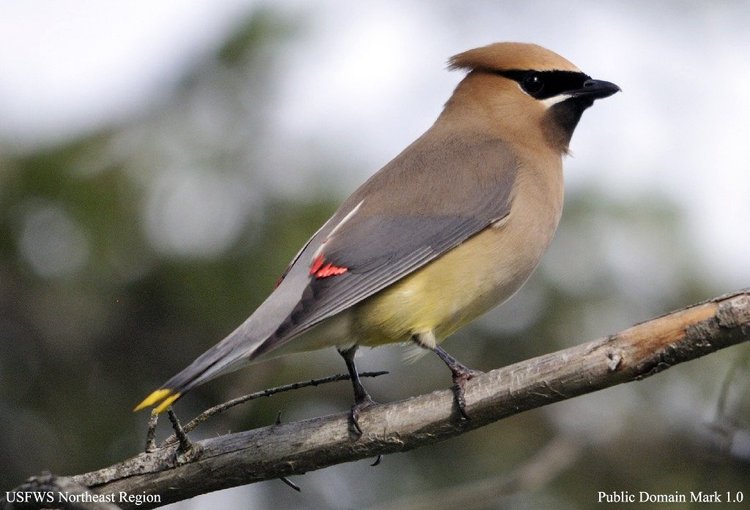
Cedar Waxwing

Cedar Waxwings are a beautiful songbird native to North America and Central America. They are distinct with stark black masks over their eyes, short crests, bright yellow tail tips, and red wax drops on the tips of their secondary wing feathers. In fall and winter, you’ll see large flocks foraging in trees with small fruits and berries, often given away by their high pitched whistly calls.  

Unlike most other songbirds, Cedar Waxwings can survive on a fruit-only diet for months. Because of this fruit specialization, brood parasites such as Brown-headed Cowbirds often don’t survive in Cedar Waxwing nests. However, this heavy reliance on fruits can have consequences. Cedar Waxwings have been observed getting intoxicated by alcohol after eating too many fermenting berries, which can be deadly. The loss in coordination from intoxication can also cause them to fly into solid structures such as windows (see our feature story below to learn more about window collisions).

Cedar Waxwings are also highly social, and can be seen passing berries to each other as they forage. They nest high in trees and often close together. They have a late breeding season compared to other bird species because it is advantageous to breed later when fruits have ripened and when insects are more abundant.


FEATURE STORY

Making Windows Safer for Birds

By Caitlin O’Neil

Seemingly innocuous to us, windows pose a great danger to birds. Simply put, clear windows appear to be an empty space that birds can fly through. Windows that reflect foliage are also harmful, as birds assume that they can continue to fly into the foliage. A study found that over one billion birds are killed in the U.S. each year by these collisions.

While this devastating problem can seem overwhelming, there are simple and easy window treatments that can make your windows safer for birds by helping to prevent collisions. Putting up decals, stickers, and tape, or using paint on the outside of your windows can help birds to see windows. These markings need to be spaced close to one another (2 inches apart) for birds to view windows as a solid object. Ribbons and strings that hang outside of your windows can also prevent collisions, along with window films (like one-way transparent films or textured films). For more examples of and information on bird-safe windows, check out these resources from the Cornell Lab of Ornithology, The Fatal Light Awareness Program, and FeatherFriendly.


Thank you to all our partners and supporting organizations!

Project Phoenix is grateful to our partners and all the supporting organizations who help our program soar. Visit our partners page to learn more about the incredible work of these non-profit organizations – from science to conservation to outdoor recreation, these orgs are dedicated to protecting our environment for people and the birds we love.


Follow us on Instagram @projectphoenix_socal for more content on birds and Project Phoenix!

 
Project Phoenix
email tiktok instagram youtube

La Kretz Hall (Suite 300), 619 Charles E. Young Drive E., Los Angeles, CA, 90095

Powered by Squarespace

Unsubscribe