|
We are over halfway through our data collection season! Thank you for helping us monitor birds during the 2024 fire season.͏ ͏ ͏ ͏ ͏ ͏ ͏ ͏ ͏ ͏ ͏ ͏ ͏ ͏ ͏ ͏ ͏ ͏ ͏ ͏ ͏ ͏ ͏ ͏ ͏ ͏ ͏ ͏ ͏ ͏ ͏ ͏ ͏ ͏ ͏ ͏ ͏ ͏ ͏ ͏ ͏ ͏ ͏ ͏ ͏ ͏ ͏ ͏ ͏ ͏ ͏ ͏ ͏ ͏ ͏ ͏ ͏ ͏ ͏ ͏ ͏ ͏ ͏ ͏ ͏ ͏ ͏ ͏ ͏ ͏ ͏ ͏ ͏ ͏ ͏ ͏ ͏ ͏ ͏ ͏ ͏ ͏ ͏ ͏ ͏ ͏ ͏ ͏ ͏ ͏ ͏ ͏ ͏ ͏ ͏ ͏ ͏ ͏ ͏ ͏ ͏ ͏ ͏ ͏ ͏ ͏ ͏ ͏ ͏ ͏ ͏ ͏ ͏ ͏ ͏ ͏ ͏ ͏ ͏ ͏ ͏ ͏ ͏ ͏ ͏ ͏ ͏ ͏ ͏ ͏ ͏ ͏ ͏ ͏ ͏ ͏ ͏ ͏ ͏ ͏ ͏ ͏ ͏ ͏ ͏ ͏ ͏ ͏ ͏ ͏ ͏ ͏ ͏ ͏ ͏ ͏ ͏ ͏ ͏ ͏ ͏ ͏ ͏ ͏ ͏ ͏ ͏ ͏ ͏ ͏ ͏ ͏ ͏ ͏ ͏ ͏ ͏ ͏ ͏ ͏ ͏ ͏ ͏ ͏ ͏ ͏ ͏ ͏ ͏ ͏ ͏ ͏ ͏ ͏ ͏ ͏ ͏ ͏ ͏ ͏ ͏ ͏ ͏ ͏ ͏ ͏ ͏ ͏ ͏ ͏ ͏ ͏ ͏ ͏ ͏ ͏ ͏ ͏ ͏ ͏ ͏ ͏ ͏ ͏ ͏ ͏ ͏ ͏ ͏ ͏ ͏ ͏ ͏ ͏ ͏ ͏ ͏ ͏ ͏ ͏ ͏ ͏ ͏ ͏ ͏ ͏ ͏ ͏ ͏ ͏ ͏ ͏ ͏ ͏ ͏
|
As fire season progresses, we hope you are all staying safe as you bird. To help make this easier, I’d like to point you all to a resource that helps you track wildfires and air quality simultaneously. Airnow.gov is a fantastic resource for checking air quality in general, but their fire and smoke map overlays fire locations, the air quality index, and smoke plumes for a comprehensive picture of the environment across the North American continent. If conditions ever become unsafe for you to bird, feel free to bird indoors (using this link to register your new indoor site). You can also request N95 masks from us at any time by emailing us at projectphoenix.socal@gmail.com. Wishing you all safe and happy birding!
|
|
Caitlin O’Neil | Communications Lead, Project Phoenix
|
VOLUNTEER SPOTLIGHT: Nadine Santo Pietro
|
|
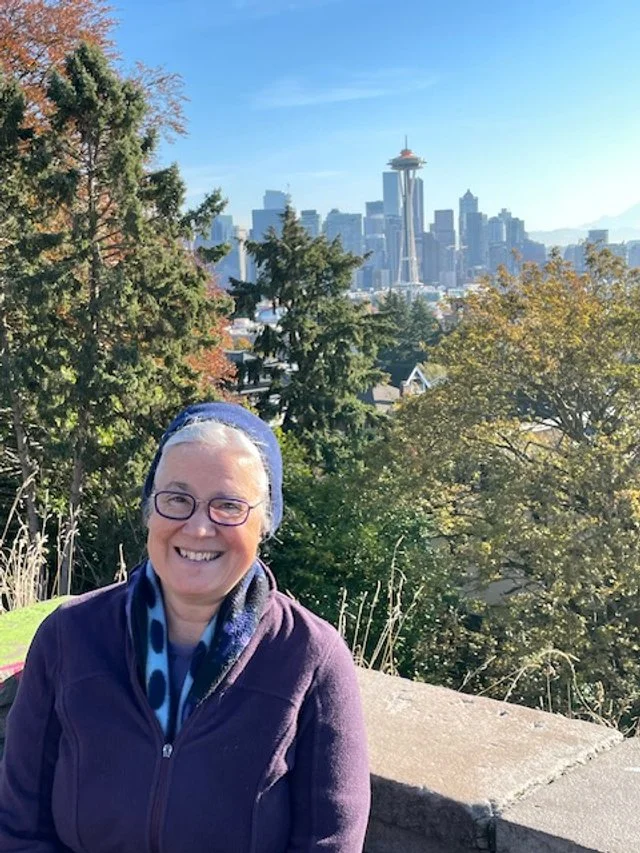
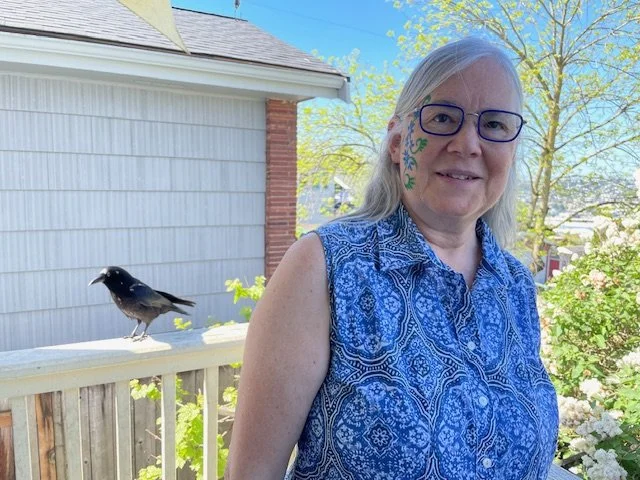
Nadine is a retired elementary arts teacher who taught music, dance, drama, and visual arts. She was also recently featured in an interview with KUOW to promote Project Phoenix. In her retirement, Nadine finds a great deal of joy in birding. She loves it when birds stop by her yard for a drink, use the birdbath, have a snack, or just to hang out. She has gotten to know all about the birds in her neighborhood - their markings, vocabularies, and behaviors - everything that makes them unique! Nadine has also applied her talents in the arts to her birding. Not only does she love to watch the ever-social crows, jays, chickadees, and bushtits in her yard, she also loves to draw and paint them using a variety of mediums. Nadine’s love for birds was part of the reason that she joined Project Phoenix, but she also credits our Program Director, Olivia Sanderfoot, with inspiring her to join! Nadine participated in Olivia’s last study during the lockdown, where she felt Olivia’s passion for the birds was contagious, so when she heard about Project Phoenix she was happy to join! She loves being part of these studies because it allows her to be a part of an important endeavor to help protect the birds she loves. Thank you so much for your contributions to Project Phoenix, Nadine!
|
|
|
Nadine & one of her feathered friends! |
|
|
|
|
|
|
|
|
|
We love to hear from our volunteers! What motivated you to join Project Phoenix? Click here to share your story.
|
BIRD OF THE WEEK: Bewick’s Wren
|
|
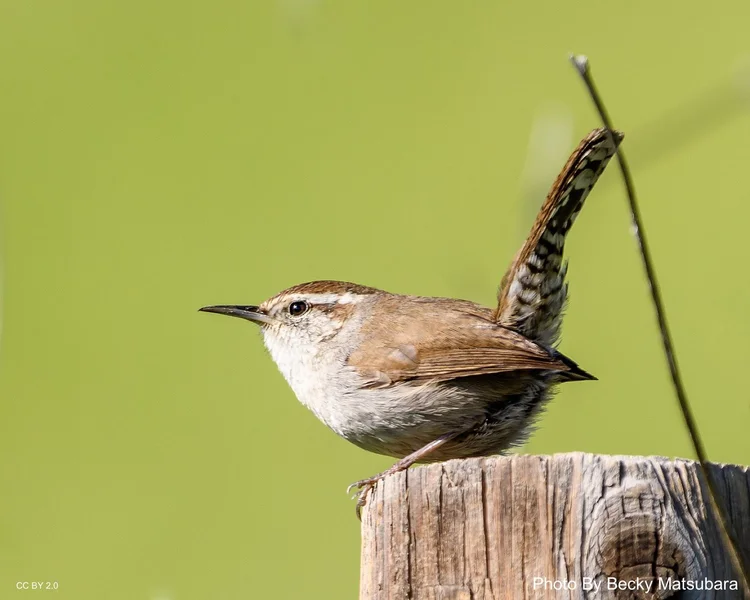
This small bird makes a big impression! With its long tail and striking white “eyebrows”, the Bewick’s Wren is a treat for any birder to spot. These little songbirds have a diverse repertoire of songs that are used to defend their territory and attract mates – raspy notes are used to “scold” intruders on their territory! Male Bewick’s Wrens build their unique song vocabulary in the first and second months of their life, adapting notes and syllables from their father’s signature song. Bewick’s Wrens make their homes in open woodlands, chaparral, and suburban plantings across the western United States. A monogamous breeding pair will build their nest on a ledge or in a cavity. The nest is usually constructed over a week or two. Plant fibers are used to construct the base, and spider egg casings, feathers, wool, and snakeskin are used to create a soft interior lining. Bewick’s Wrens enjoy snacking on all life stages of insects, feasting on eggs, larvae, pupae, and adults. They can be found hanging upside down on trees to grab their prey. Their diet in the winter expands to include fruits, seeds, and other plant matter, and adult wrens will sometimes consume mud or small pebbles, either for nutrients or to help digest their food.
|
FEATURE STORY: How to Protect Migratory Birds this fall
|
|
by Caitlin O’Neil | Communications Lead, Project Phoenix
|
|
Fall migration has begun across the United States! Millions of birds are making the long journey south for the winter. This is an exciting time for birders – you might observe some unusual birds during your weekly surveys! (Check out our FAQs for more information on what to do if you observe a rare bird.) Here in California, we can observe migration along the Pacific Flyway. Fall migration is expected to peak here in September to early October. What will that look like? Well, you won’t see the majority of migratory birds out during the day – about 80% of birds will take to the skies at night to complete their journey. Nocturnal migratory birds rely on the stars to help them find their way, but light pollution from cities can interfere with their navigational abilities. To help counter this, consider turning off unnecessary outdoor lights, replacing cool-toned lights with warmer ones, and installing shielded outdoor lighting. Windows also present a major obstacle for both migratory and local birds. Hundreds of millions of birds die each year in window strikes. During the day, windows often reflect the sky or plants, making windows seem like inviting spaces to fly through. At night, lighted windows pose a hazard by disorienting birds. By taking small steps, such as moving indoor houseplants away from windows, applying decals or drawing patterns on the glass, turning off indoor lights when they are not needed, and drawing blinds or curtains after dark, we can all do our part to help prevent window collisions. Interested in learning more about how to help birds during migration? Check out this op-ed in The Los Angeles Times, co-authored by Project Phoenix director Dr. Olivia Sanderfoot.
|
Thank you to all our partners and supporting organizations!
|
|
Project Phoenix is grateful to our partners and all the supporting organizations who help our program soar. Visit our partners page to learn more about the incredible work of these non-profit organizations – from science to conservation to outdoor recreation, these orgs are dedicated to protecting our environment for people and the birds we love.
|
|
|
|