|
Downy Woodpeckers v.s. Hairy Woodpeckers, upcoming bird walks, and how you can protect birds! ͏ ͏ ͏ ͏ ͏ ͏ ͏ ͏ ͏ ͏ ͏ ͏ ͏ ͏ ͏ ͏ ͏ ͏ ͏ ͏ ͏ ͏ ͏ ͏ ͏ ͏ ͏ ͏ ͏ ͏ ͏ ͏ ͏ ͏ ͏ ͏ ͏ ͏ ͏ ͏ ͏ ͏ ͏ ͏ ͏ ͏ ͏ ͏ ͏ ͏ ͏ ͏ ͏ ͏ ͏ ͏ ͏ ͏ ͏ ͏ ͏ ͏ ͏ ͏ ͏ ͏ ͏ ͏ ͏ ͏ ͏ ͏ ͏ ͏ ͏ ͏ ͏ ͏ ͏ ͏ ͏ ͏ ͏ ͏ ͏ ͏ ͏ ͏ ͏ ͏ ͏ ͏ ͏ ͏ ͏ ͏ ͏ ͏ ͏ ͏ ͏ ͏ ͏ ͏ ͏ ͏ ͏ ͏ ͏ ͏ ͏ ͏ ͏ ͏ ͏ ͏ ͏ ͏ ͏ ͏ ͏ ͏ ͏ ͏ ͏ ͏ ͏ ͏ ͏ ͏ ͏ ͏ ͏ ͏ ͏ ͏ ͏ ͏ ͏ ͏ ͏ ͏ ͏ ͏ ͏ ͏ ͏ ͏ ͏ ͏ ͏ ͏ ͏ ͏ ͏ ͏ ͏ ͏ ͏ ͏ ͏ ͏ ͏ ͏ ͏ ͏ ͏ ͏ ͏ ͏ ͏ ͏ ͏ ͏ ͏ ͏ ͏ ͏ ͏ ͏ ͏ ͏ ͏ ͏ ͏ ͏ ͏ ͏ ͏ ͏ ͏ ͏ ͏ ͏ ͏ ͏ ͏ ͏ ͏ ͏ ͏ ͏ ͏ ͏ ͏ ͏ ͏ ͏ ͏ ͏ ͏ ͏ ͏ ͏ ͏ ͏ ͏ ͏ ͏ ͏ ͏ ͏ ͏ ͏ ͏ ͏ ͏ ͏ ͏ ͏ ͏ ͏ ͏ ͏ ͏ ͏ ͏ ͏ ͏ ͏ ͏ ͏ ͏ ͏ ͏ ͏ ͏ ͏ ͏ ͏ ͏ ͏ ͏ ͏ ͏
|
Dear Project Phoenix community, As wildfires continue to burn across our study area, we wanted to share resources that can help you track local fires and air quality. AirNow.gov is a fantastic resource for monitoring your local air quality, and the AirNow fire and smoke map is particularly useful. This map overlays fire locations, the air quality index, and smoke plumes, providing a comprehensive picture of fire and smoke conditions across the U.S. Currently, there are dozens of large fires burning in California, Oregon, and Washington, so please stay informed about fires near you and take proper safety precautions. Remember, you can always email us to request free N95 masks to use when birding or conducting your surveys. The data you are collecting is extremely valuable to us, but keep in mind that conducting surveys during unhealthy air quality is totally optional. Stay safe out there! Yuka Wu | Communications Lead, Project Phoenix
|
BIRD OF THE WEEK:Downy Woodpecker
|
|
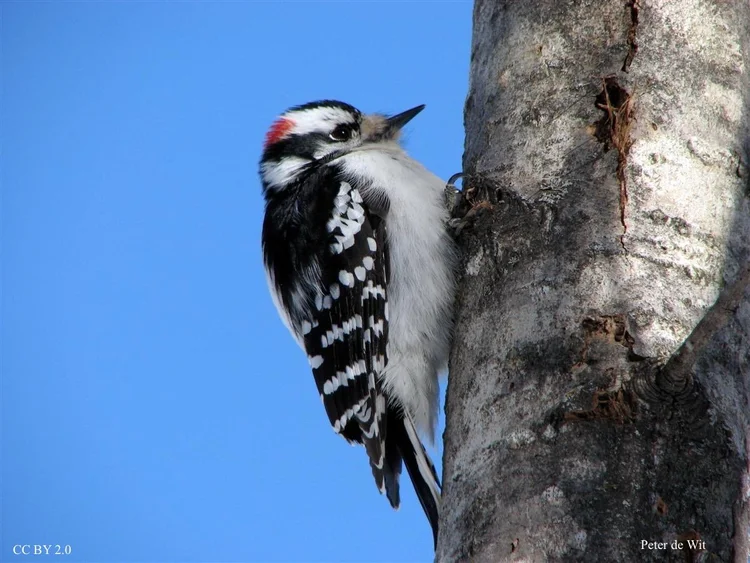
The Downy Woodpecker is the smallest woodpecker species in North America, and can be found all throughout the U.S. and Canada. The plumage of these tiny birds is black, white, and red, like many other woodpecker species. Their entire underside, from their throat to their vent, is white, and their backs are black with a short vertical white strip in the center. Their wings are also black, with white dots running horizontally, creating a speckled look. Downies also have white tail feathers with black spots, and black and white stripes on their face. Adult males are distinguished by a small red patch on the back of their head. Downy Woodpeckers look very similar to Hairy Woodpeckers. When distinguishing between the two species, pay attention to their beak size relative to their head, their overall size, and the outer tail feathers. Downy Woodpeckers have a shorter beak relative to their head, are smaller overall, and have spots on their outer tail feathers. Notice that the length of their beak is much shorter than the distance between the base of their beak and the back of their head. In Hairy Woodpeckers, these two distances will be roughly equal. You'll find Downy Woodpeckers in woodlots, residential areas, and parks, and they are a regular visitor to backyard feeders! During the winter, they may flock with other birds like chickadees and nuthatches.
|
How Can I Help Protect Birds?
|
|
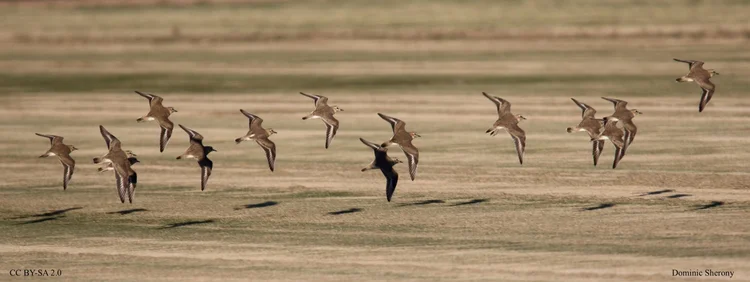
It’s understandable to feel saddened and helpless after hearing that birds are facing great declines. The 2025 State of the Birds Report found that conservation action is necessary for one third of birds in the U.S., with 16% of bird species categorized as those of High Concern. Of these, grassland species, aridland species, and shorebirds are at greatest risk. Although we need to make big changes in conservation policy, we also know that individual actions can and do make a huge difference. Our contributions add up! With such a large birding community in the U.S. (over 100 million of us are birders!), change is definitely possible. Here are some small steps you can take to lead a more bird-friendly lifestyle. Keep cats indoors. Domestic cats kill billions of birds each year. Please keep your cats indoors, or consider building a catio! Prevent window collisions. More than one billion birds are killed each year due to window collisions. In order to make your windows safer, consider installing screens or putting up window stickers, films or paint. Turn off lights at night, especially during migration season. Most birds migrate at night, and artificial city lights can negatively affect their migration and throw them off course. One way to help is by turning off your lights at night, and urging large businesses that operate buildings to turn their lights off as well. Create a bird friendly backyard. Ditch the lawn and start planting native plants! Native plants will attract more birds and insects, are better for the environment, and may even save you money in the long run! Also, consider not raking up leaves this fall – they can act as a natural fertilizer for your soil and will attract more insects that birds can eat. Keep your bird feeders and baths clean. If feeders and bird baths are not cleaned regularly, they can contribute to the spread of disease between birds and other wildlife. Take down your feeders if you begin observing diseased birds. Participate in community science projects (check!). You can directly contribute to research that will help us monitor birds and develop effective conservation strategies. In addition to Project Phoenix, there are many other community science projects you can get involved in, including Project FeederWatch, the Christmas Bird Count, and the Great Backyard Bird Count! Check it out: Our program director, Dr. Olivia Sanderfoot, is the new leader of Project FeederWatch. To encourage Project Phoenix volunteers to join FeederWatch and contribute to monitoring birds this winter, she has arranged for a reduced registration fee for all our volunteers. You can sign up for just $5! Use the discount code PHOENIX at check out. These funds support critical monitoring efforts and research at the Cornell Lab of Ornithology.
|
|
Back by popular demand! We will be hosting our second bird-themed virtual trivia night tomorrow, Friday, September 12th at 5 p.m. Come hang out, meet other volunteers, and show off your knowledge of birds and other topics in ecology and conservation! If you made it to our last trivia night, note that we are changing the format this time so that everyone will be able to answer all the questions, rather than just the first person to buzz in. Sign up here! Participation is free. We hope to see you there!
|
Coming Up: October Big Day
|
|
We are organizing a Project Phoenix October Big Day! October Big Day is the second “big day” of the year in the birding community, when community scientists and birders worldwide go out and record as many birds as they can in one day. This year, October Big Day will take place on October 11th. We will try to organize in-person bird walks/sits throughout California, Oregon, and Washington so that Project Phoenix volunteers can go out together and share in this fun day of birding. If we have enough interest, we might even host a friendly competition to see which county can observe the most species! If you are interested in leading one of these walks/sits in your county, please fill out this form. We have several people who have signed up to lead events in Los Angeles (yay!), but if you live somewhere else and are interested, please sign up! You do NOT need to be an expert in birds to lead a bird walk/sit - we are just looking for a point person to coordinate and lead each group. Please email us if you have questions!
|
|
Check out these upcoming in-person events offered by our partners and other local bird organizations!
|
|
Los Angeles Audubon San Fernando Valley Audubon Pasadena Audubon Golden Gate Bird Alliance Audubon Washington Birds Connect Seattle Bird Alliance of Oregon
|
|
We love to hear from our volunteers! What motivated you to join Project Phoenix? Click here to share your story as a volunteer spotlight.
|
Follow us on Instagram @projectphoenix_socal and join our new Slack for more content on birds and Project Phoenix!
|
|
|
|