|
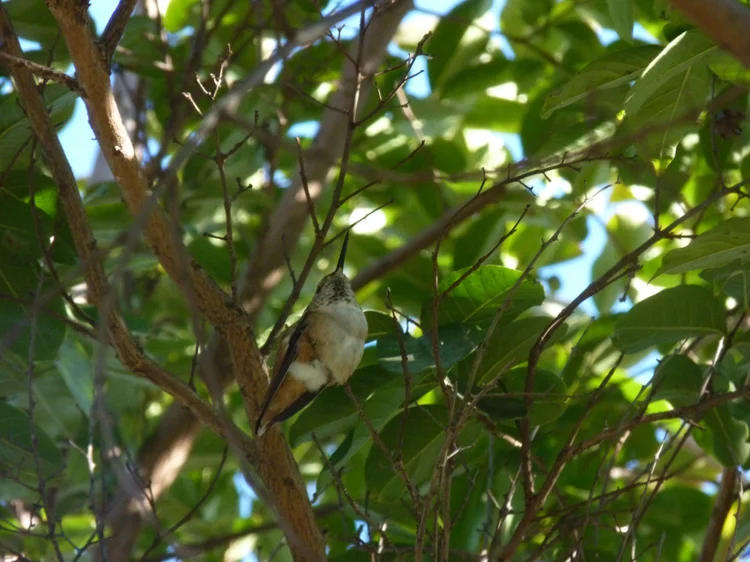
Fluffing out their feathers isn’t the only way birds cope with the cold. Birds exhibit myriad behaviors to stay warm and thrive during the fall and winter. Read more about some of these behaviors and try to spot them when winter arrives! Migration Migration is perhaps the most obvious way of coping with the cold. Some birds will travel south in the winter to warmer climates, then return north as the weather warms up in springtime. Shivering Just like you or I shiver when we get cold, birds do too! Shivering does burn a lot of calories, so a steady intake of food is necessary for birds to do so. This can require birds to store or “cache” seeds before winter arrives. Some birds, like jays and crows, store seeds in holes or crevices in trees or bury them underground. Roosting Together You may have seen adorable pictures of Emperor Penguins huddled together for warmth… but it’s not just penguins that do this! Many species huddle together to share body heat, including the American Crow. While roosting together, birds can also slow their metabolic rate to help conserve their energy. Tucking feet and bills Waterfowl are well adapted to chilly weather and use several strategies to keep the extremities of their legs and bills warm. For example, you may observe ducks standing on one leg or sitting on both of their legs to keep them warm. They also tuck their bills underneath their back feathers or wings, to be closer to heat. Some waterfowl species can even isolate the blood that flows in their legs and use a countercurrent heat exchange to stay warm.
|